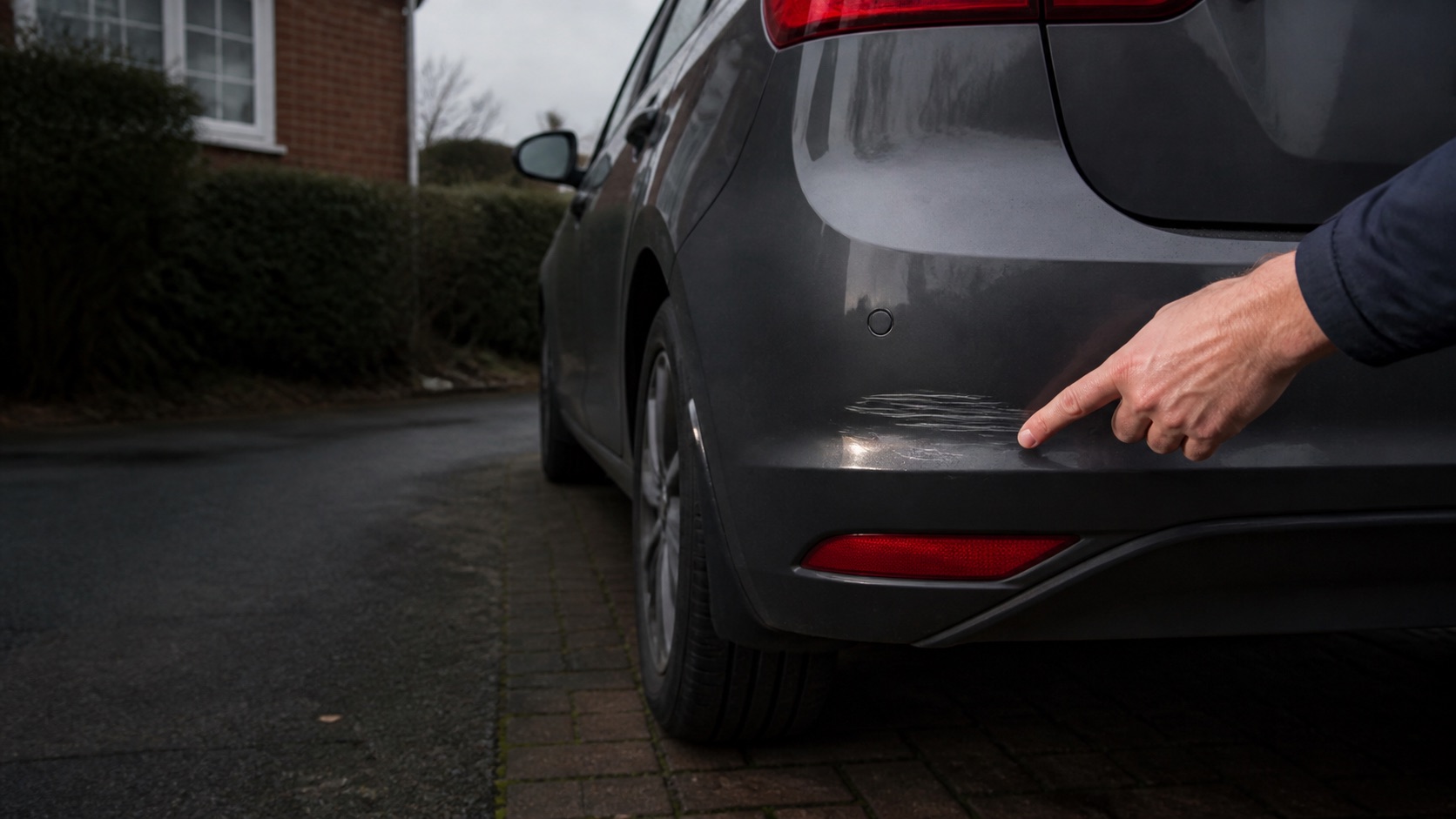
Repair only after comparing three things: the return standard in your agreement, the provider’s published damage charge information and a professional repair quote. Minor marks within fair wear and tear may need no repair at all.
The simple decision
There are really three outcomes for any mark on the car: it's within fair wear and tear and won't be charged; it's beyond fair wear and tear and will be charged; or you're not sure. The goal is to spend money only on the middle group.
- Clearly minor (light surface marks, tiny stone chips) — leave it. Repairing it wastes money.
- Outside the stated standard — compare the provider’s charge information with a job-specific repair quote before choosing.
- Not sure — get a fixed quote. A quote costs nothing and tells you the repair price, which you can weigh against the likely charge.
Why comparison matters
A provider’s damage charge and an independent repair quote are calculated through different processes. Neither should be assumed to be lower. A quote lets you compare the actual total, scope and timing for your vehicle before handback.
When not to bother
If the damage is within fair wear and tear, you should not pay to repair it — and you shouldn't be charged for it either. If a marginal mark would cost more to repair than it would likely be charged, that's also a reason to leave it. This is why a fixed quote matters: it turns the decision into a straight comparison instead of a guess.